

Bruxism and High-End Rehabilitation: Primordialle's Predictability Solution
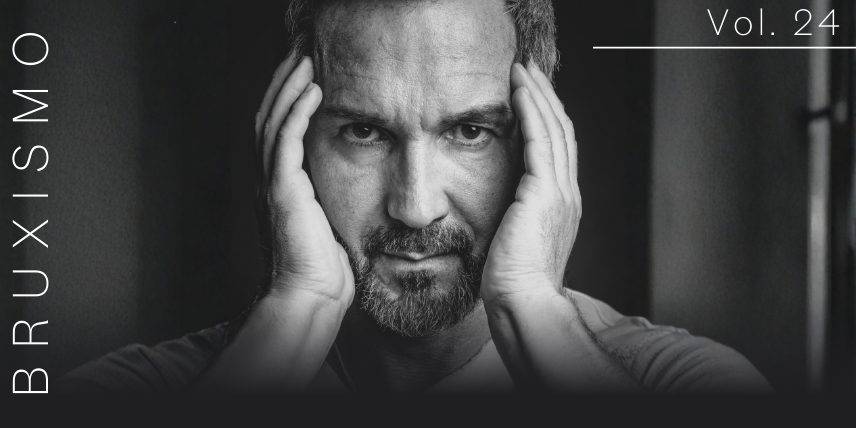
Bruxism is not just teeth grinding; it is a medical condition with the potential to significantly impact oral health and quality of life. For the patient who demands excellence, the diagnosis and treatment of bruxism must be conducted with the same rigor as a complex rehabilitation procedure.
Bruxism Through the Lens of Digital Dentistry
Bruxism is defined as a functional disorder characterized by the involuntary clenching or grinding of the teeth. This parafunctional activity can occur both during wakefulness (daytime) and during sleep (nighttime), exerting excessive forces on the masticatory muscles and adjacent structures.
Complex Etiology and Risk Factors
The origin of bruxism is multifaceted and complex, and requires an integrated diagnosis for elite treatment:
- Stress and Anxiety: The contemporary lifestyle and stress are the main emotional triggers.
- Sleep Disorders: There is a strong association with obstructive sleep apnea.
- Malocclusion: Dental misalignment can generate occlusal instability, contributing to bruxism.
- Lifestyle: The consumption of stimulants such as caffeine, alcohol, and tobacco has been linked to the worsening of episodes.
The Consequences of Bruxism on the High-End Smile
For the patient who invests in their image, untreated bruxism is a risk factor that can compromise the longevity and aesthetics of sophisticated rehabilitations, such as veneers and implants.
Signs That Demand Immediate Attention
Early identification protects the durability of your smile and your investment:
- Pathological Occlusal Wear: Atypical flattening of the dental surfaces, which can lead to fractures and dentin exposure.
- Tension Headaches: Recurrent morning headaches in the temporal region.
- TMJ Dysfunction: Pain, stiffness, or crackling in the jaw (Temporomandibular Disorder - TMD).
- Nighttime Noise: Audible teeth grinding reported by the sleep partner.
The Primordialle Protocol: Precision for Diagnosis and Protection
At Primordialle, the therapeutic approach is individualized and technology-based. We do not treat the symptom, but the origin, ensuring the protection of your smile.
Diagnosis of Predictability and Control
We use cutting-edge technology for a diagnosis that minimizes risk and maximizes predictability:
- Electromyography (EMG): Objective assessment of masticatory muscle activity to measure the magnitude of the forces.
- Digital Occlusal Analysis: Analysis software maps the occlusion, identifying interferences that require precise occlusal adjustment.
- DSD (Digital Smile Design): Integration of bruxism data into the aesthetic planning, ensuring that future rehabilitations are designed to withstand the forces.
Cutting-Edge and Exclusive Therapeutic Approaches
The treatment plan is integrated and focused on a lasting result:
- Custom Occlusal Guards (CAD/CAM): Made in our In-House Laboratory for maximum fit, promoting muscle relaxation and protection.
- Precise Occlusal Adjustment: Meticulous correction of occlusal interferences to stabilize the bite.
- TMJ Management: Specialized physiotherapy programs are indicated to relieve muscle tension and improve jaw function.
- Multidisciplinary Approach: Collaboration with specialists to treat comorbid conditions, such as anxiety or sleep disorders.
The Protection Factor: Longevity of Your Aesthetic Investment
The treatment of bruxism at Primordialle is an extended warranty for your smile and your investment in excellence. Reducing parafunctional forces is critical to the longevity of any procedure:
- Veneers: Essential to avoid chipping and fracture of veneers and porcelain.
- Implants: Crucial for long-term success and the osseointegration of dental implants.